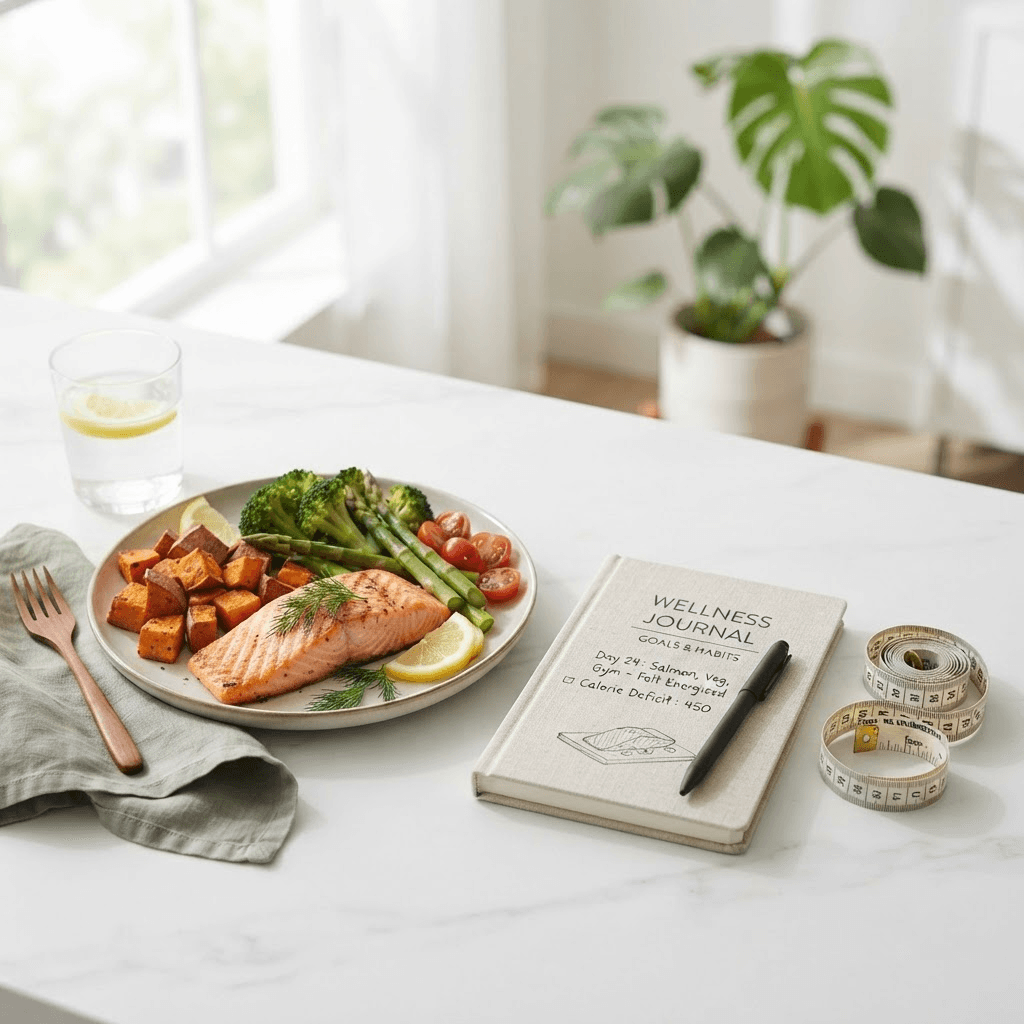
Why Photo Food Logging Beats Manual Calorie Counting
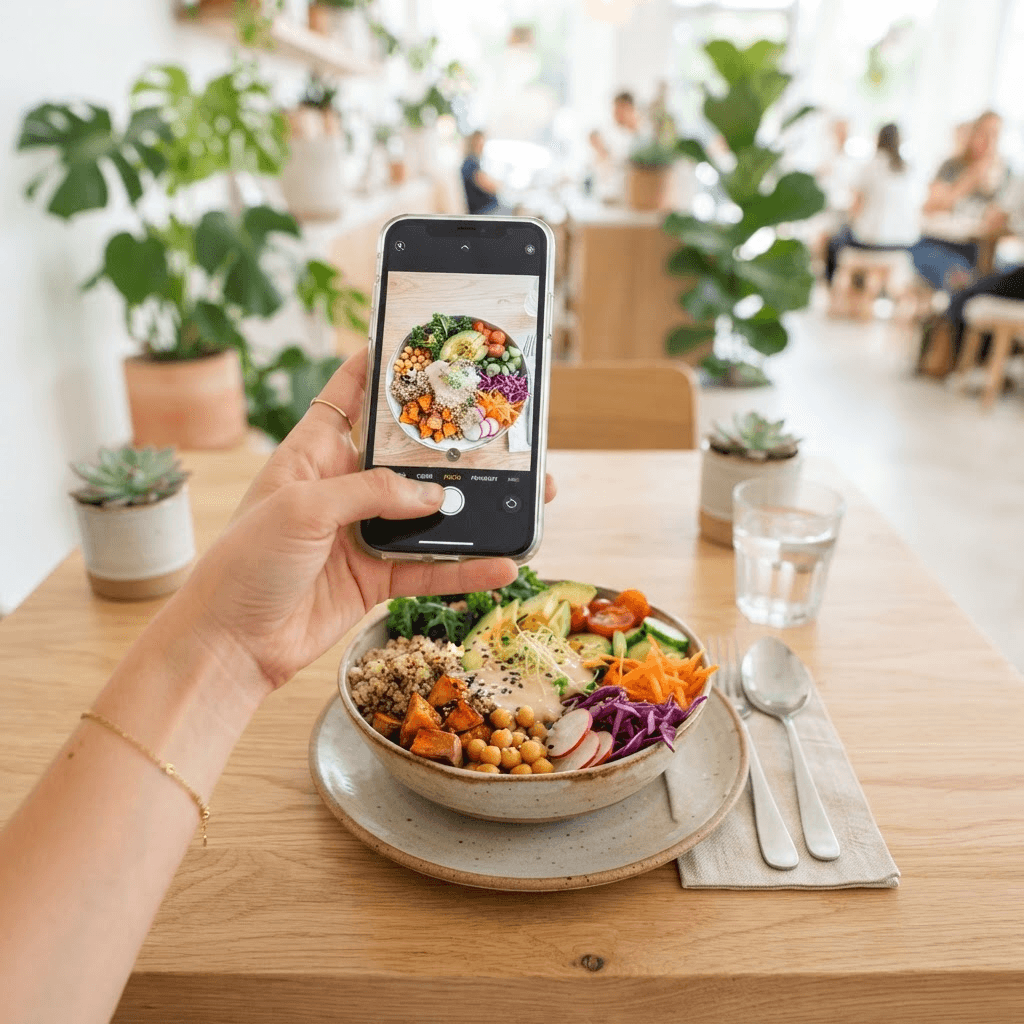
Everyone knows tracking what you eat helps you reach your goals. The problem was never awareness - it was friction. Traditional calorie counting asks you to search a database, guess a portion, and tap through several screens for every single item. Most people give up within a week.
Friction is the enemy of habits
Behavioral science is clear: the harder a habit is to perform, the less likely it sticks. Manual logging is full of tiny frustrations that compound until you stop opening the app entirely.
A photo carries more information than a search bar
When you photograph a plate, you capture everything at once - the foods, their relative sizes, the cooking method, even the sauce. AI can read all of that in a single frame, which is something a text search can never do.
- No typing or scrolling through near-identical database entries.
- Portion estimation happens automatically from the image.
- Your photo doubles as a visual food journal you can look back on.
Consistency compounds
The best tracking method is the one you will actually keep using. When logging takes two seconds instead of two minutes, you log every meal - and complete data is what makes calorie tracking effective in the first place.
That is the entire idea behind BiteBud. Remove the friction, and the healthy habit takes care of itself.
Make the photo habit stick
Keep the camera shortcut where you normally eat, log before clearing the plate, and correct only the details that meaningfully change the estimate. A fast, repeatable workflow gives you a more useful food history than a perfect system you avoid.
Sources and further reading
Explore BiteBud guides
Track this the easy way
Put these ideas into practice. Snap a photo and let BiteBud handle the calories and macros for you.