How to Track Calories Consistently Without Burning Out
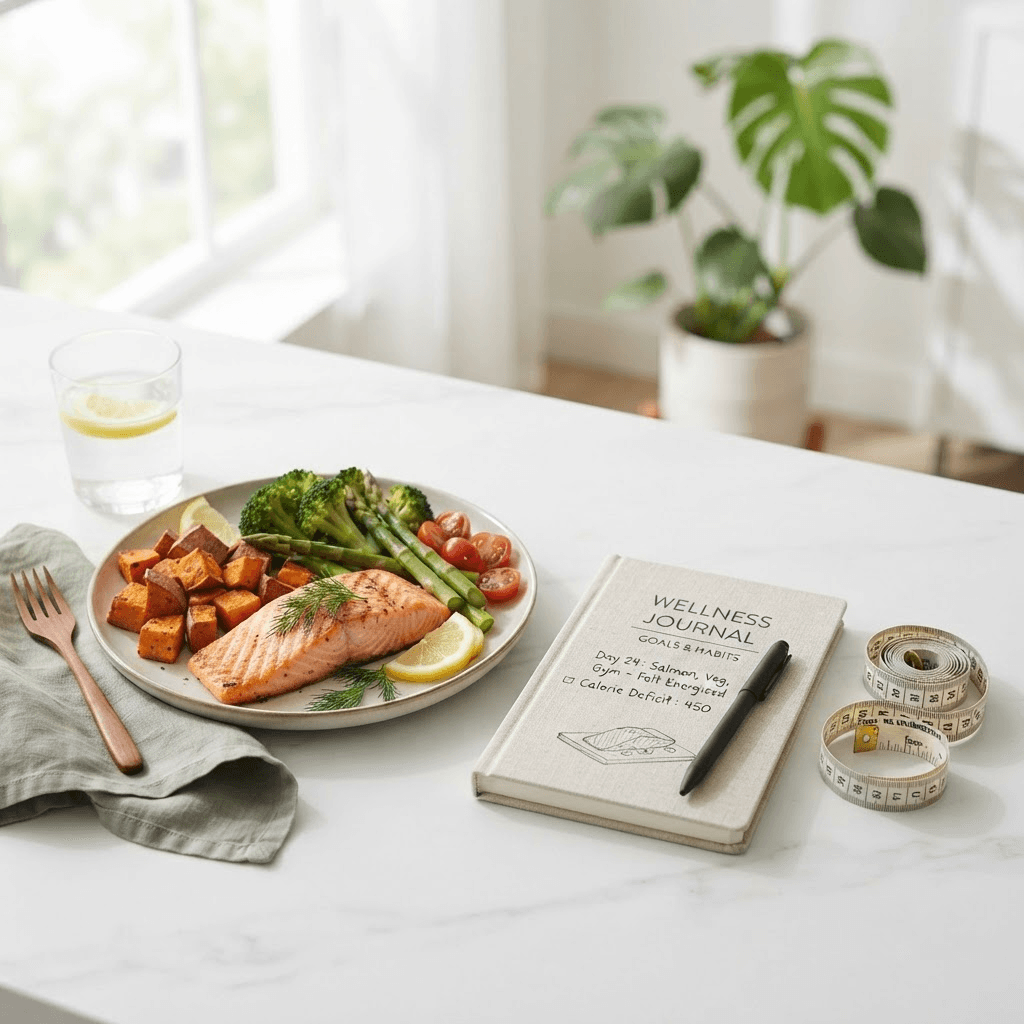
Calorie tracking works best when it becomes a normal part of your day rather than a short burst of perfect behavior. The goal is to collect useful information about your meals, not to make every number exact.
Choose a realistic starting point
Start with a calorie target that fits your current routine, schedule, hunger, and goal. If the target makes normal meals impossible, it is unlikely to be useful for long. People with medical conditions, a history of disordered eating, or special nutrition needs should get individual advice from a qualified professional.
Log meals close to when you eat them
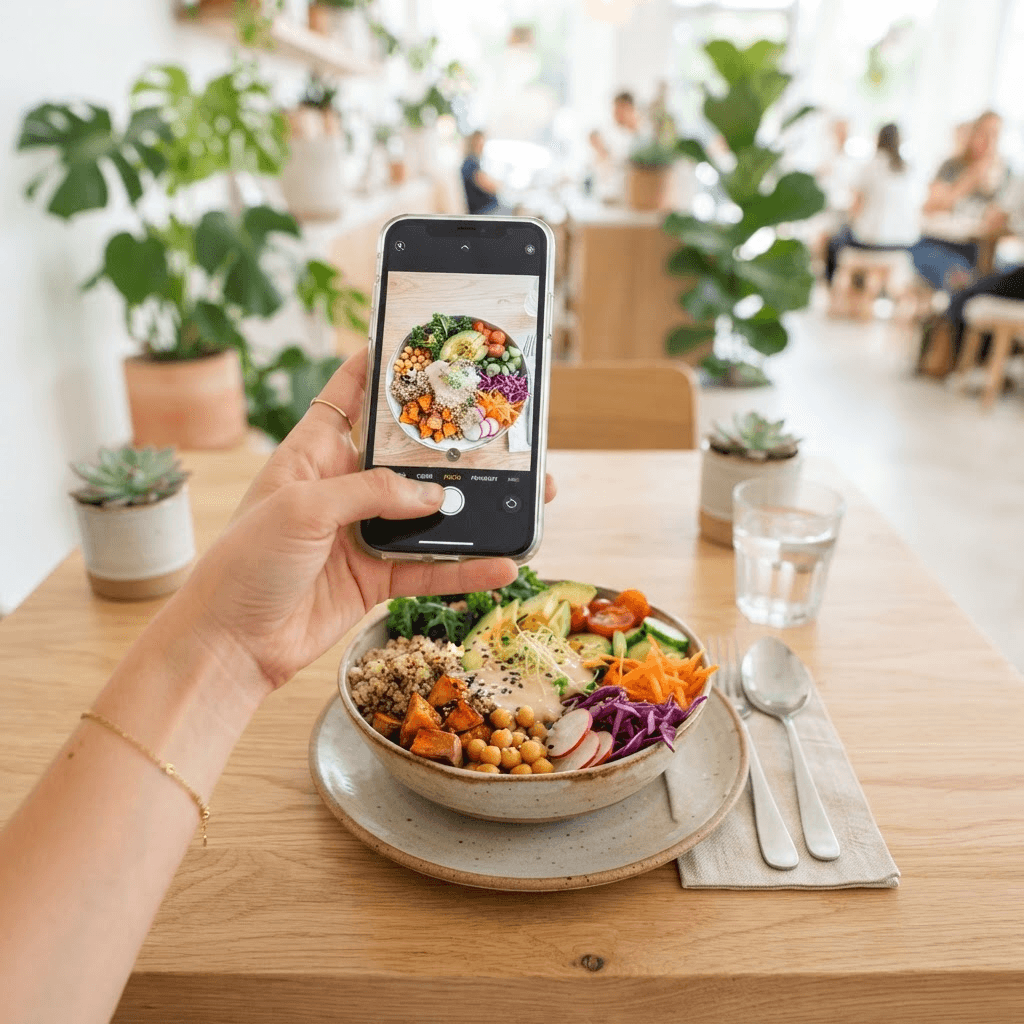
Memory smooths over snacks, drinks, sauces, and portion sizes. Recording meals soon after eating gives you better context. BiteBud uses a photo-first workflow so you can capture the meal before details disappear, then review the suggested foods and portions.
Do not let an imperfect entry stop the day
Restaurant meals and homemade recipes may require estimates. Make the best entry you can, add a note when you know a dish was shared or modified, and continue with the next meal. A complete approximate history is often more useful than a partial history made only on easy days.
Review patterns before changing your target
Look at several days or weeks together. Ask whether you are consistently hungry, whether certain meals are easy to repeat, and whether your progress is moving in the direction you want. Adjust gradually instead of reacting to one high or low day.
Make one improvement at a time
Once you can see your normal pattern, choose one change: add a protein-rich breakfast, plan an afternoon snack, or make restaurant portions easier to estimate. Small changes are easier to evaluate and maintain than rebuilding your entire diet at once.
Sources and further reading
Explore BiteBud guides
Track this the easy way
Put these ideas into practice. Snap a photo and let BiteBud handle the calories and macros for you.