Intermittent Fasting and Calorie Tracking: How They Fit Together
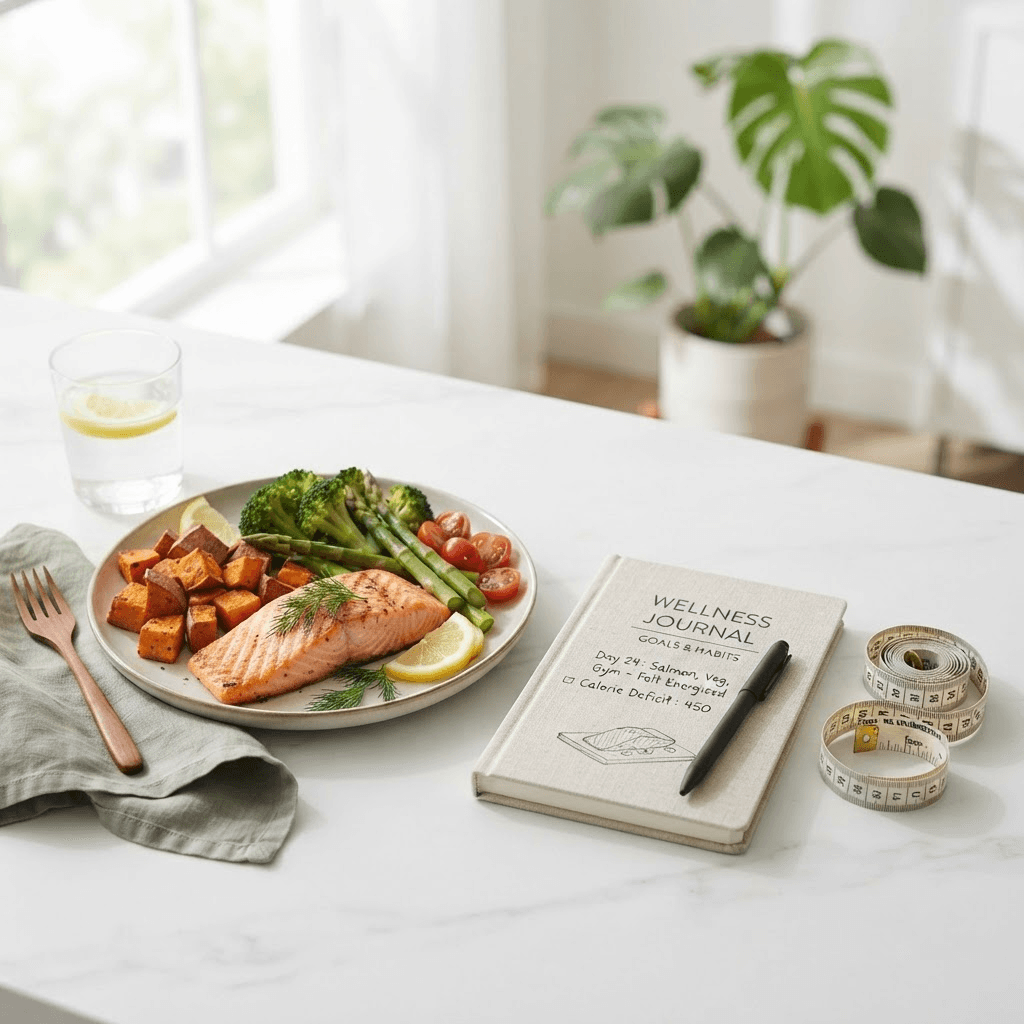
Intermittent fasting focuses on when you eat. Calorie tracking focuses on how much energy and nutrition your meals provide. They can be used together, but one does not automatically replace the other.
A fasting window does not describe meal quality
Two people can follow the same eating window and eat very different meals. Recording calories, protein, carbohydrates, and fat gives you context about what happens inside that window.
Use a tracker to observe, not punish
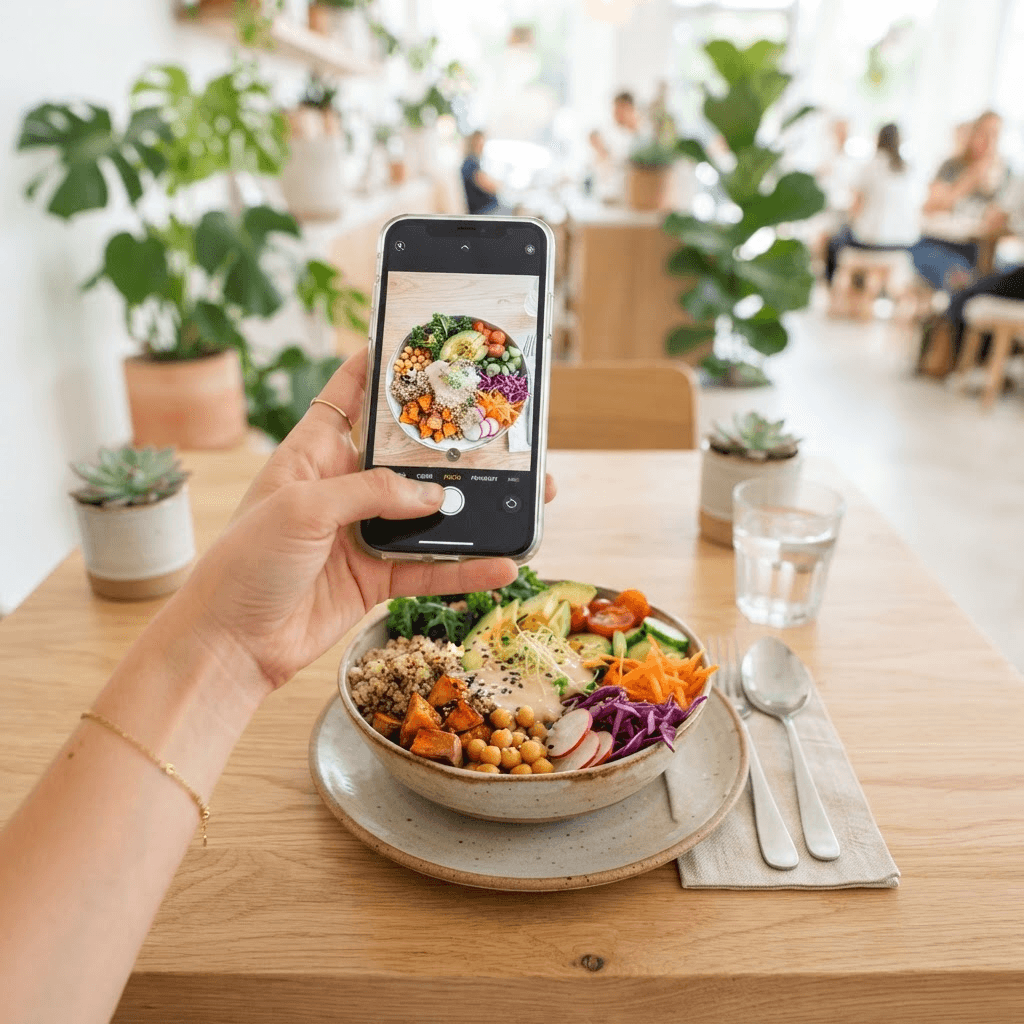
When your eating window opens, log the meal while it is in front of you. Review the estimate and notice how it affects the rest of the day. The point is to learn which routines support your energy and hunger, not to turn the timer into a test of willpower.
Fasting is not suitable for everyone
Health needs vary with age, medication, pregnancy, medical conditions, training, and eating history. The National Institute on Aging notes that important questions about long-term fasting effects remain unresolved. Speak with a qualified healthcare professional if fasting may interact with your health.
Track the whole pattern
Use BiteBud to review meal timing, calories, macros, and photos together. Over time, this can show whether your eating window helps you build satisfying meals or simply makes it harder to fit in the nutrition you need.
Sources and further reading
Explore BiteBud guides
Track this the easy way
Put these ideas into practice. Snap a photo and let BiteBud handle the calories and macros for you.